Workflows vs Agents for Code Translation
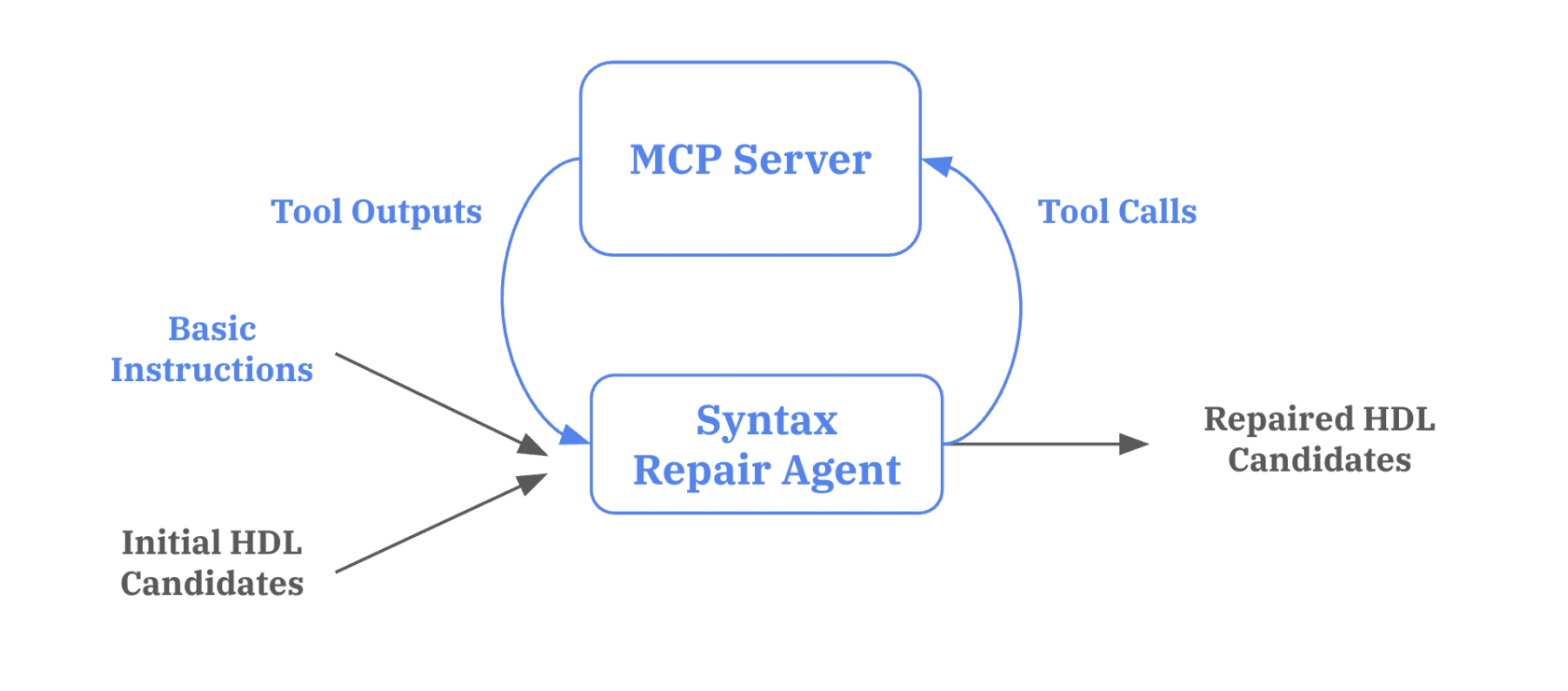
Compares structured workflows versus agentic approaches for MATLAB-to-HDL translation, showing that agentic methods with the Model Context Protocol increase simulation reach rates by over 20 percentage points on mid-sized models.
Abstract
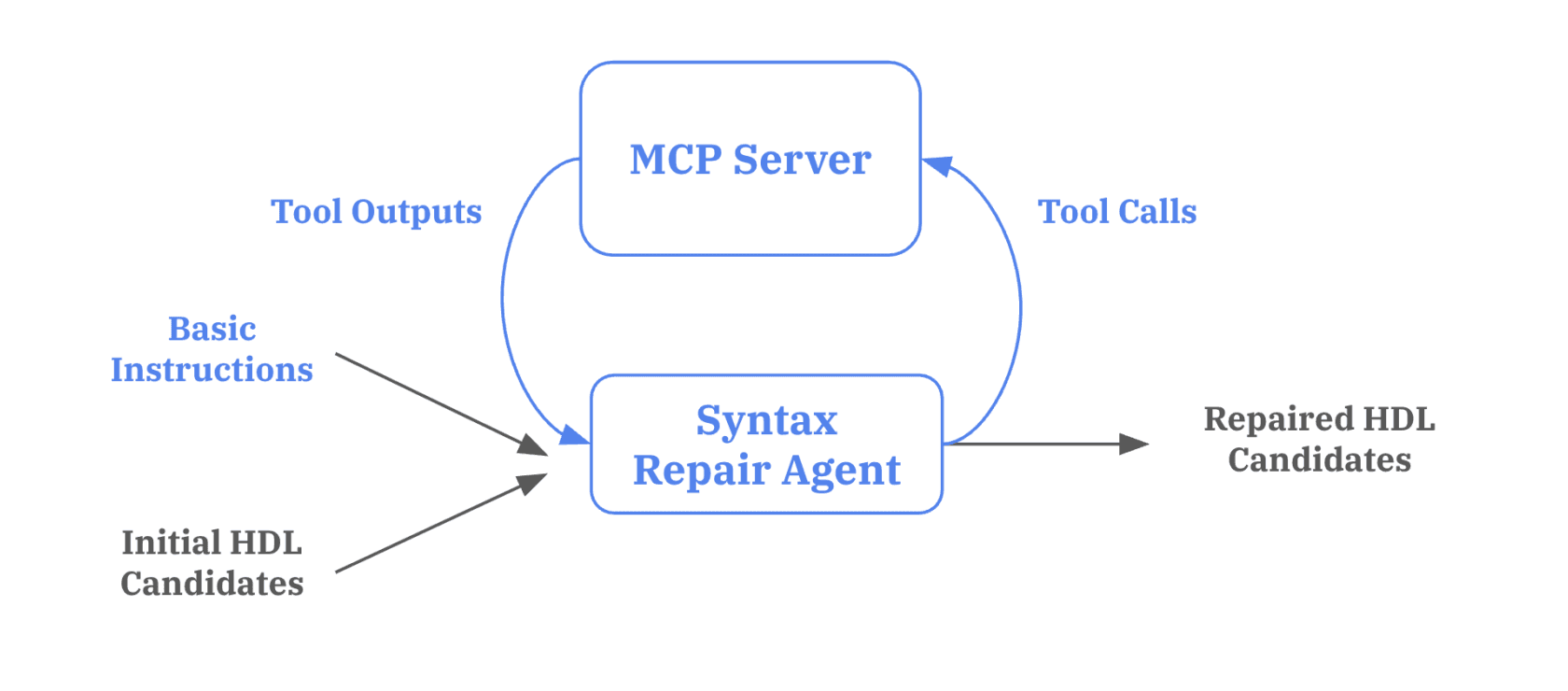
This paper compares two LLM-driven approaches for syntax repair in MATLAB-to-HDL translation. The researchers evaluated a structured, expert-designed flow versus an agentic method using the Model Context Protocol across three model sizes (Qwen 8B/30B/235B) on 42 signal-processing functions. The agentic approach achieved superior results on mid-sized models, increasing the simulation reach rate by over 20 percentage points on the 30B model. The authors attribute gains to short prompts, aggressive context management, and conditional tool use, noting that agent-based frameworks are most effective at compensating for the capacity limits of small and mid-sized models.
Related Research
The Trust Problem Has Shifted: What Formal Verification Can and Cannot Guarantee About AI-Generated Code
A clear-eyed technical assessment of formal verification for AI-generated code: which approaches are credible, what barriers remain, and where the market will emerge first.
The Real Cost of Leaving NVIDIA
What Automated Transpilation Actually Costs, and What It Doesn't