Researchers launch Code Metal, Boston startup using AI for drones and robots
Summary of Boston Globe coverage: MIT Lincoln Lab alumni launch Code Metal to bring AI to drones, sensors, and robots; company announces $13M seed and earlier pre-seed.
Boston Globe Coverage
MIT Lincoln Lab alumni launch Code Metal to bring AI to drones, sensors, and robots; company announces $13M seed and earlier pre-seed.
A pair of artificial intelligence researchers who worked at MIT Lincoln Laboratory are striking out on their own with a startup called Code Metal that's focused on bringing AI software to hardware such as drones, sensors, and robots.
The company announced on Tuesday that it raised $13 million in seed capital in a deal led by California VC firm Shield Capital. Code Metal also disclosed that it had previously raised almost $3.5 million in a pre-seed financing from Boston VC firm J2 Ventures and also including Fulcrum Venture Group.
With a vast assortment of smart hardware out in the world running on a variety of computing chips, Code Metal is essentially building a translation platform for programmers.
“The idea from cofounders Peter Morales and Alex Showalter-Bucher is that developers will write software in a common programming language like Python and then Code Metal will quickly translate it to run on a particular device's hardware chip.
”
Part of Code Metal's technology relies on large language models, the AI technology popularized by ChatGPT but also widely used by programmers to speed up writing software code. Automating the translation can cut out months or even years of delay, Morales said.
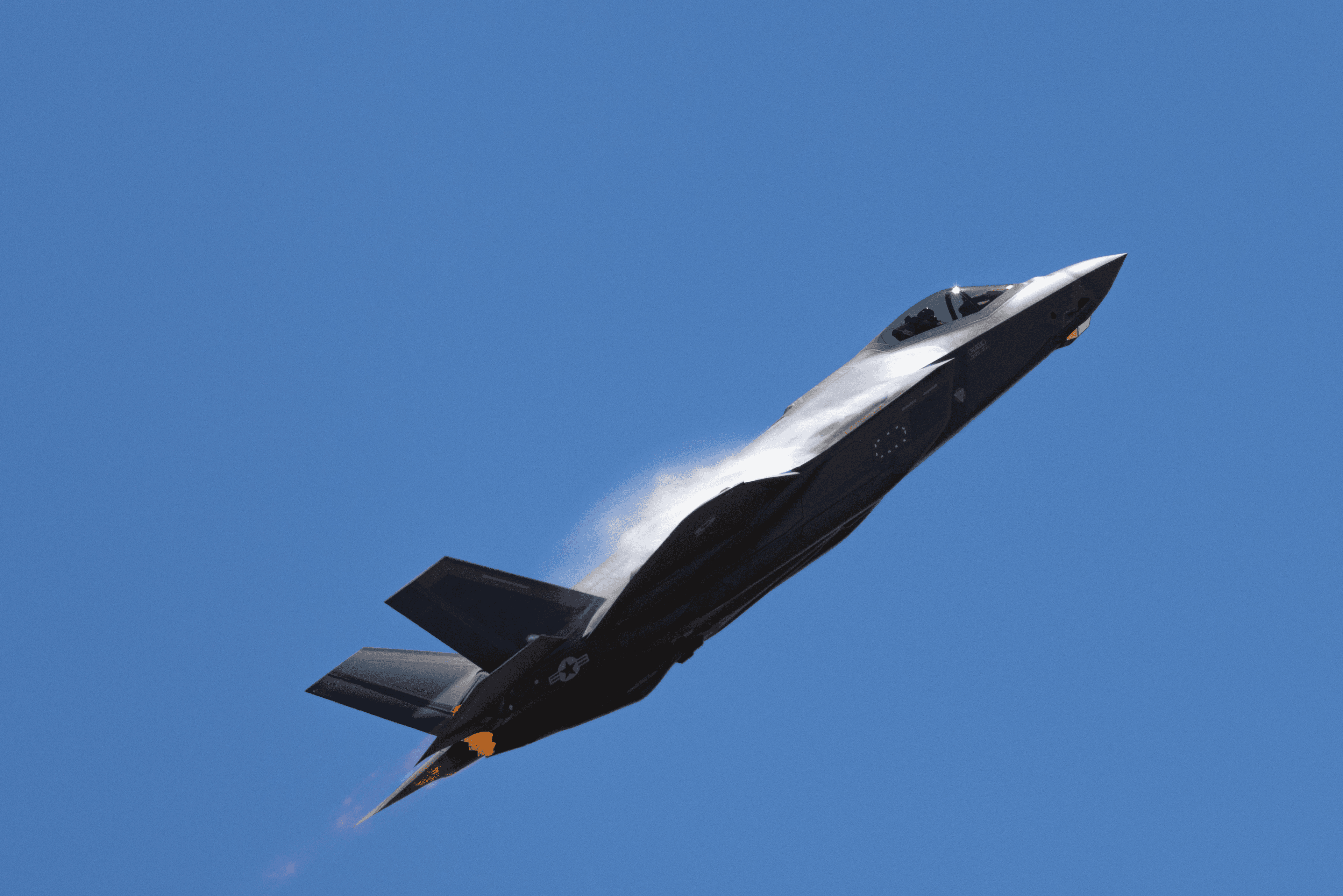
Morales said he started thinking about the challenge of writing code for hardware systems when he was working at BAE Systems about a decade ago. He was helping write software for the F-35 jet fighter to counteract enemy radar. Engineers had written AI algorithms to recognize different radars in MathWork's MATLAB program. Morales had to get the software working on the specific computer chips in the aircraft.
"They developed some cool machine-learning algorithms and they needed help getting this running in real time," he recalled in an interview. "A lot of the tools and concepts that I built for that started to shape my ideas on how Code Metal eventually could be formed."
Over the next few years, Morales worked at MIT Lincoln Labs in Lexington on an AI system to counter drone attacks against the US Capitol and at Microsoft, where he helped create a computer vision program for the HoloLens augmented reality headset.
Code Metal, started in 2023, employs seven people and will use the new funding to expand to about 30 people, Morales said. Though headquartered in Boston, the company operates on a hybrid basis and already has employees in San Francisco and New York.
"We're finding that we've gotten enough talent in the Boston area that we can start coalescing and building a headquarters in Boston," he said. "That's likely where we'll be building a hub, but it will be hybrid."
References
[1] Aaron Pressman, Globe Staff. Updated July 23, 2024.
Related News
Announcing the Code Metal Forge Hackathon 2026 — Operation Lost and Found
A three-day rapid-prototyping sprint, November 6–8 at BASE-X in Boston. Build alongside Special Operations Forces, first responders, academics, and deep tech innovators to solve a real-world search and rescue challenge — $18,000 prize pool. Sponsored by USSOCOM.
Introducing the Verified Code Translation Research Awards
Code Metal is funding university research in verified code translation, with as many as four awards, each up to $40,000, for work in formal methods for AI. Proposals are due October 8, 2026.